

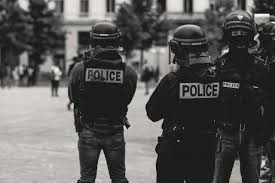
Facing police misconduct or excessive force leaves you feeling hurt and confused. Knowing your rights can be a lifeline. In Chicago, communities grapple with these serious issues. Victims need clear steps to seek justice. Understanding legal options becomes crucial for healing and accountability. Excessive force attorneys stand ready to support you. They break down complex processes, empowering you in times of distress. You deserve to feel safe and heard. Laws exist to protect those impacted by misconduct. They offer a path to reclaim dignity and trust. Taking action is challenging, but not impossible. When police step over boundaries, you have a right to challenge their actions. Holding them accountable strengthens community trust. This guide will help clarify your legal choices, making the path forward less daunting. Remember, you are not alone. With knowledge and support, you can find justice and start rebuilding your life.
Understanding Police Misconduct
Police misconduct involves actions that violate your rights, such as using unnecessary force, false arrest, or racial profiling. In Chicago, these actions occur despite efforts to improve policing standards. Knowing the forms of misconduct helps you identify when your rights are violated.
Recognizing Excessive Force
Excessive force is when police use more force than necessary in a situation. It can result in physical and emotional harm. This force should be proportional to the threat posed. If officers exceed this measure, it is critical to recognize the misconduct and seek justice.
Your Legal Options
Victims in Chicago have several legal options to consider:
- Filing a Complaint: Start by filing a complaint with the Chicago Police Department. This initiates an official investigation into the misconduct.
- Contacting the Civilian Office of Police Accountability (COPA): COPA handles complaints about excessive force and police misconduct.
- Engaging an Attorney: Consulting with an attorney specializing in police misconduct can clarify your legal rights and options.
Legal Processes Involved
The legal process involves gathering relevant evidence, such as medical records and witness statements. This evidence supports your claim of misconduct. An attorney assists in navigating the legal system and ensures your case is presented effectively.
Possible Outcomes
Legal actions can lead to several outcomes:
- Disciplinary Actions: Officers may face disciplinary measures within the department.
- Monetary Compensation: You may receive compensation for physical and emotional damages.
- Policy Changes: Successful cases can lead to policy changes within the police department.
Statistics on Police Misconduct
The table below provides a snapshot of police misconduct cases in Chicago:
| Year | Number of Complaints | Resolved Cases | Disciplinary Actions Taken |
|---|---|---|---|
| 2020 | 5,000 | 3,500 | 1,000 |
| 2021 | 5,500 | 3,800 | 1,200 |
| 2022 | 6,000 | 4,200 | 1,400 |
Resources for Victims
Utilizing available resources can provide additional guidance and support:
- Civilian Office of Police Accountability (COPA)
- Chicago Inspector General’s Office
Moving Forward with Confidence
Taking action against police misconduct is a courageous step. It ensures accountability and fosters a safer community. Knowledge of your rights and the support of legal professionals empower you to seek justice effectively. As you navigate this process, remember the importance of each step taken in reclaiming your rights and dignity. You have the strength to overcome these challenges and to contribute to positive change within the community.